
Meet the fixer, tinkerer, and operator behind Deciens' day-to-day.
Welcome back to our “Team Spotlight” series, where we shine a light on the exceptional individuals who make up Deciens.
This month, we're featuring Amy Slater, our VP of Operations & Marketing. Amy is the force behind Deciens' day-to-day — organizing chaos and executing with precision. From technology to events to marketing strategy, she ensures everything fits together and brings a dynamic blend of creativity and efficiency to her work.
Before Deciens, Amy ran operations at funeral startup Parting Stone and business accelerator Creative Startups. Before the startup world, she managed art galleries, worked backstage with opera companies, and produced large-scale events — including Diner en Blanc Albuquerque, where she hosted more than 1,700 guests.
Amy holds an MBA from the University of New Mexico and a BFA in technical theater from the University of Memphis.
Get to know Amy in the Q&A below.
Q: Where are you located, and what factors influenced your decision to live there?
Albuquerque, New Mexico — though I moved here with every intention of it being temporary. My grandparents retired here in the '70s, so New Mexico had always been a second home for me. I came out to take a seasonal job at the Santa Fe Opera, partly to spend time with my grandmother, and ended up staying for two or three seasons before I just never left. There's a reason people call it the “Land of Entrapment.”
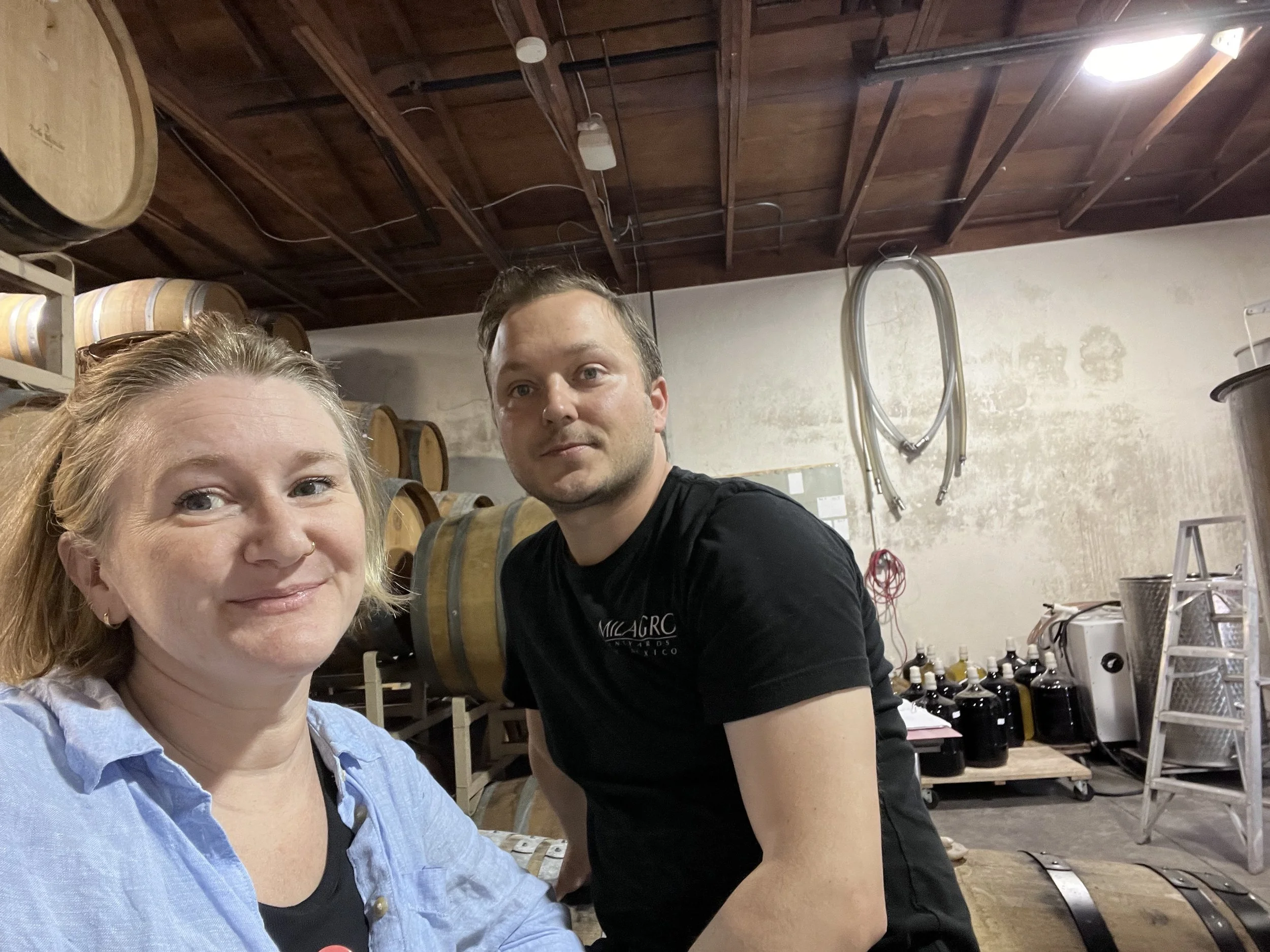
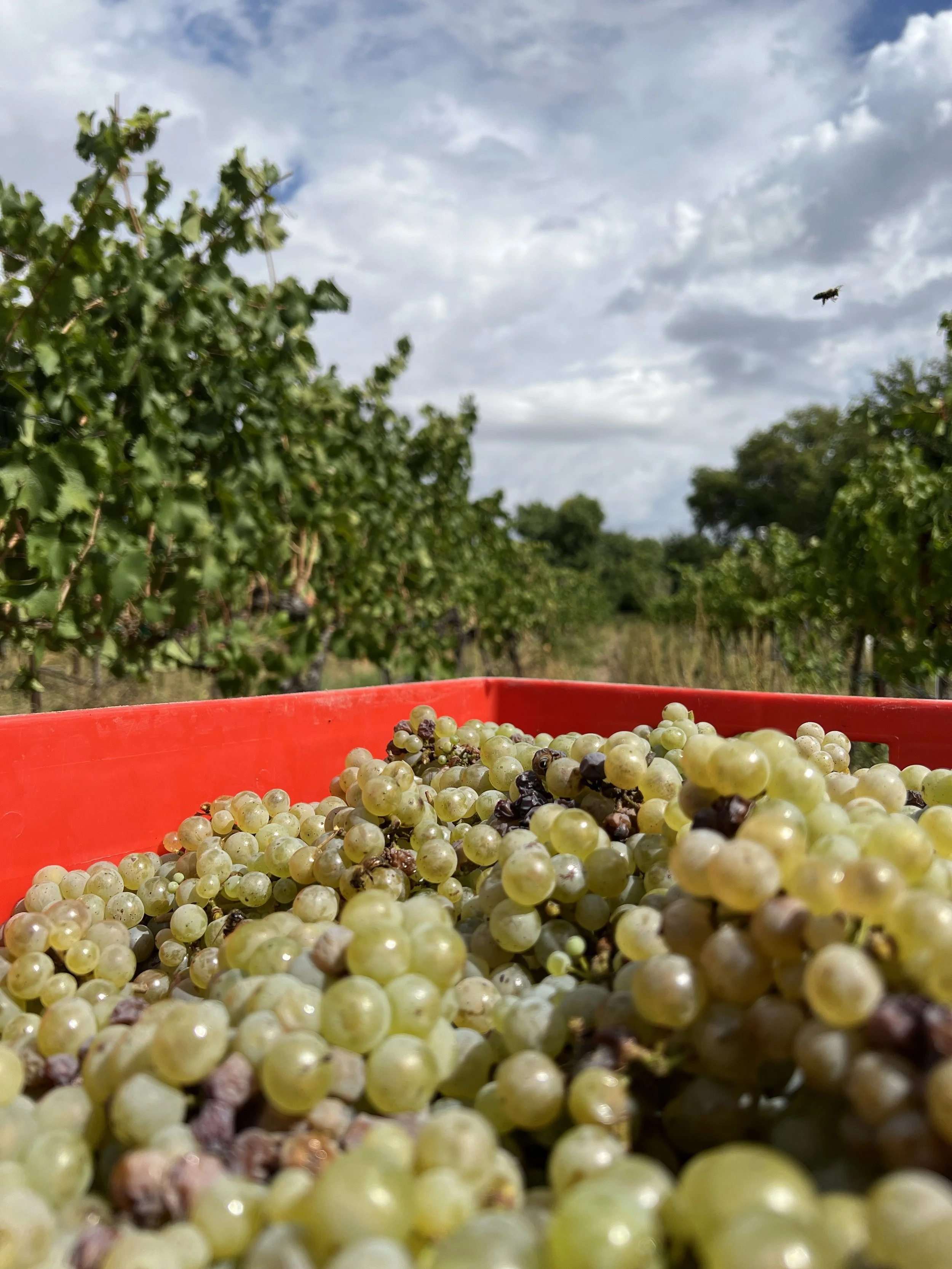
I went to UNM for my MBA, and after graduating, my partner Max and I were seriously talking about leaving. Then a friend I'd worked with at a ceramics publication reached out — he was starting a business and needed someone to run operations. That became Parting Stone, and leaving suddenly wasn't the plan anymore. Then, just before the pandemic, Max started working at Milagro Vineyards. By 2020, he had moved to full-time. You can't exactly pick up grapes and take them with you, so here we are.
Q: What resources do you rely on to stay informed in your role?
I'm part of a couple of peer groups made up of people who work behind the scenes at venture firms — operations, marketing, communications. It's a relatively small industry, and the people who aren't investors have built a surprisingly dynamic community. We openly share resources, up-to-date regulations, and best practices. Seasoned veterans share how they've approached challenges, so no one needs to reinvent the wheel. It's been one of the most valuable parts of the job.
One of those groups is VIA, where I've been on the resource committee for the past two years. We built a vendor database — a filterable, peer-vetted directory of fund admins, AML/KYC providers, CRM tools, and other platforms VC operations teams commonly use. We developed a survey to find out what people are actually using, built it out from there, and now we maintain and update it. Most recently, I've been working on a conference database to go alongside it.
Q: What skills or qualities do you think are essential for success in your position?
Flexibility and adaptability, without question. There's a lot of hurry-up-and-wait at a firm like ours — you have to stay prepped and ready so that when a new investment comes in, you're not scrambling through long nights and weekends. At the same time, because we like to experiment, being able to iterate on what we've already built — without being too attached to how we've always done it — has been really important as we've grown. The variety keeps it interesting.
Q: Do you have any pets? Tell us about them.
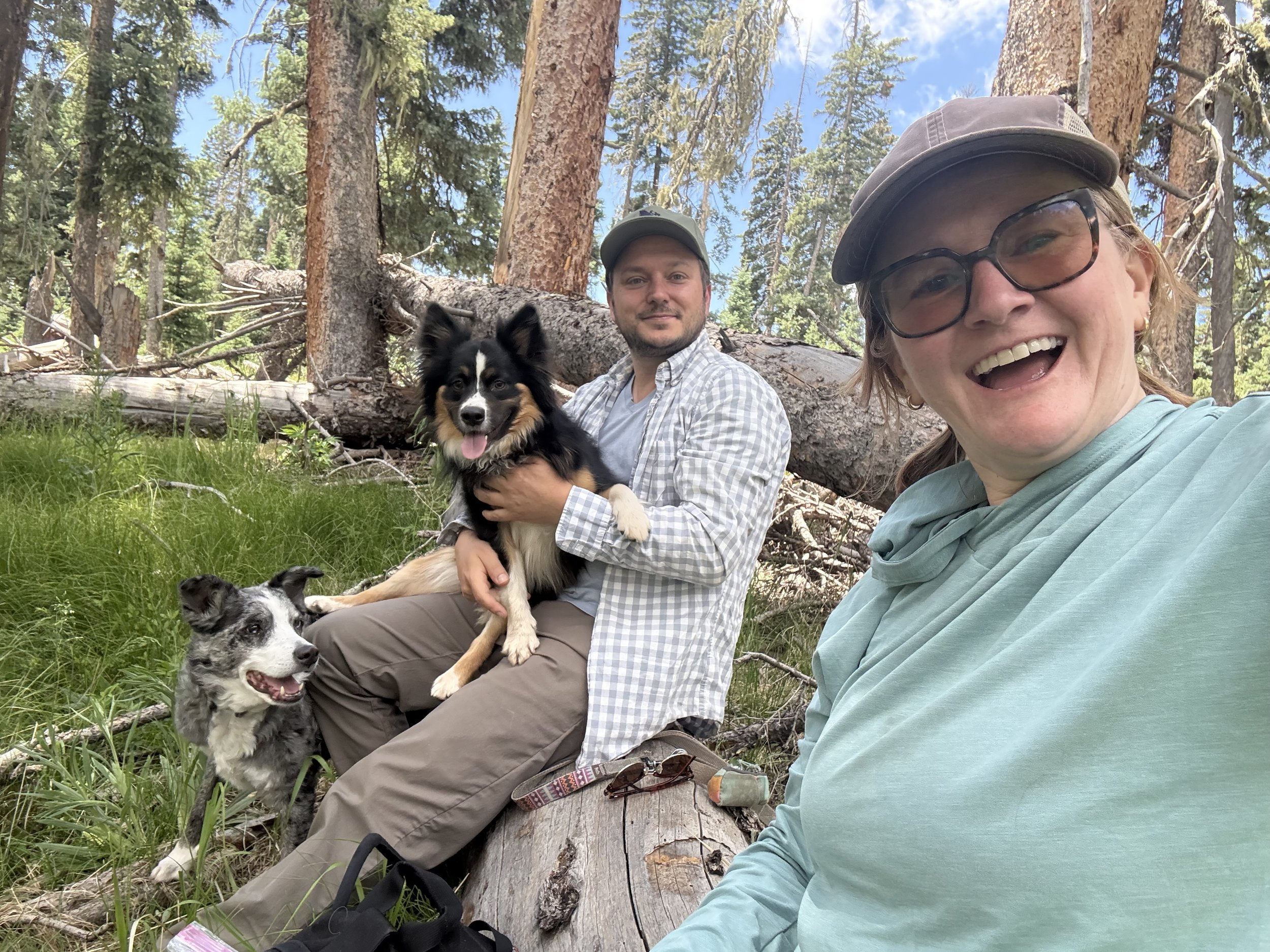
Two dogs and one cat, all rescues. My older dog, Nigel, and my cat, Piñata, both showed up on my doorstep at my old house — emaciated and without homes. They chose us, and we adopted them. About a year ago, I got a puppy, Sebastian, who goes by Bash. He is completely insane, and I wouldn't trade him for the world.
For context, Piñata is my 11th cat, and Bash is my fifth dog. The only year of my life I didn't have a pet was one year in college, when I lived in the dorms. All but one dog has been a rescue — including a few that were surrendered by friends who could no longer keep them.
Q: Where did you grow up, and how did that shape who you are today?
I was born in Dover, Delaware, into a military family — both my parents were in the Air Force, and my grandparents and uncle were, too. My father was a navigator. We moved to Clarksville, Tennessee, in second grade when he transferred to an Army base, where he worked as a liaison between the two branches. He retired when I was in sixth grade, but my parents chose to stay in Clarksville so I wouldn't have to change schools or lose my friend group. My mother, who also grew up in a military family, had lived in 40 different places as a kid and was adamant I wouldn't have the same experience.
Clarksville is a township in Tennessee that borders Hopkinsville, Kentucky, home of the 101st Airborne Division. At one point, my backyard was zoned as country and my front yard as city. Now it could be considered a suburb of Nashville as it’s grown so rapidly. There’s not a lot to do in Clarksville, so I spent my childhood taking art classes, building sculptures my father still embarrassingly has on display, and exploring the woods, fires, and playing in creeks. I was a total tomboy. In high school, I was a theater kid, which became my everything and my first career. There are so many roles in theater that even if you aren’t an actor, you can find a place in the community. This was the latchkey era: come home at dusk, make your own fun. There was a lot of creativity that came out of having to build or fix things yourself.
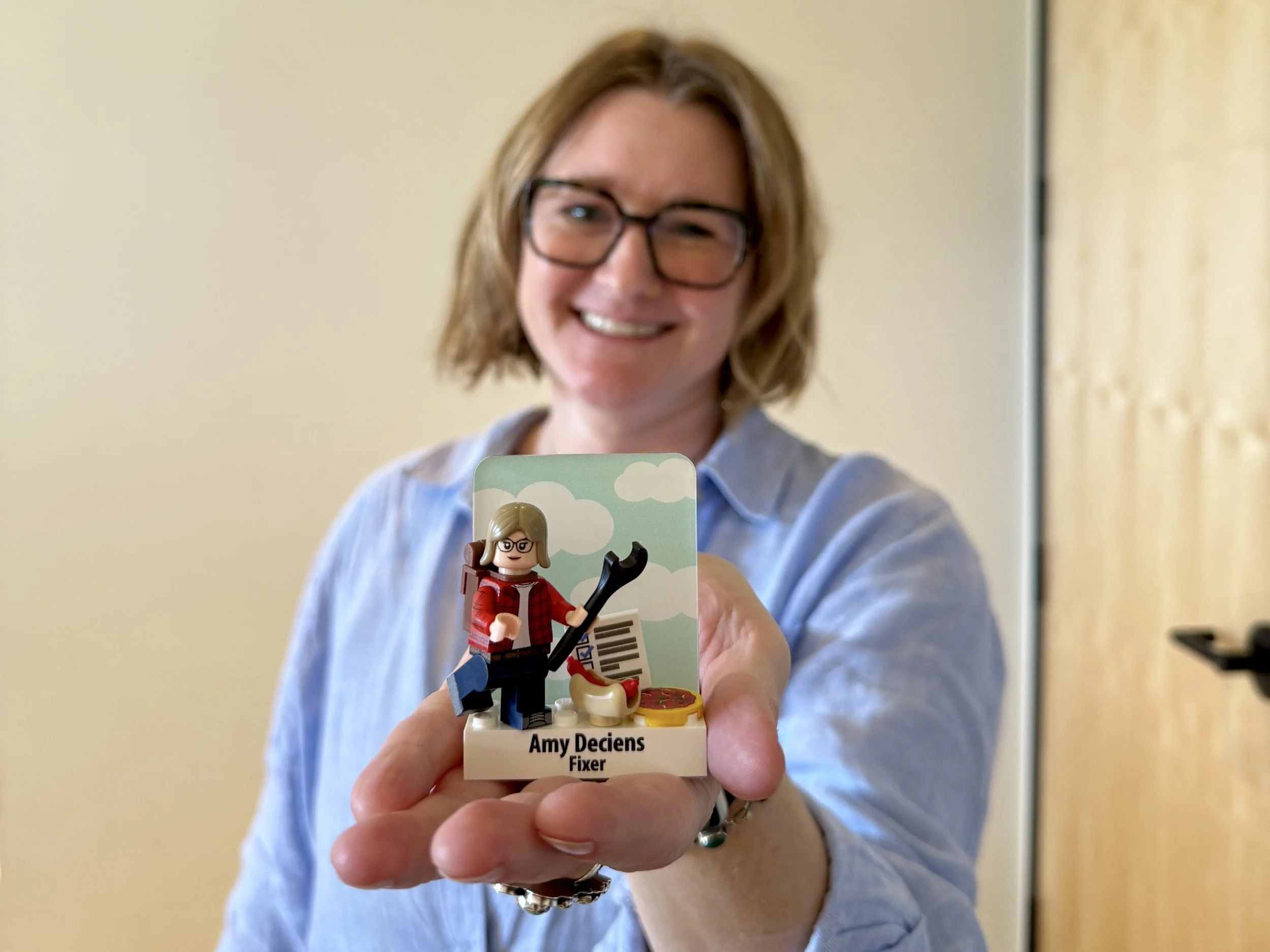
That upbringing — combined with my father's borderline Depression-era mentality about not wasting things — made resourcefulness feel completely normal. We didn't throw things out when they stopped working. We opened them up and figured out why. I've taken apart lawnmowers, coffee makers, washing machines, and grills. The right to repair is something I feel strongly about. There's so much waste in the world, and I've never been someone who assumes a thing is done just because it broke.
Q: What's the best book you've read recently, and why did you enjoy it?
Two recent books have haunted me.
The first is Chuck Wendig's two-parter, Wanderers and Wayward. He wrote them before the pandemic, but they have a lot of pandemic energy. The central premise follows an AI that's trying to save humanity — and in doing so, destroys it. It tracks the people who understand what the technology is doing and are trying to find solutions.
The second is I Who Have Never Known Men by Jacqueline Harpman. It's short but powerful — a quiet, devastating exploration of loneliness and identity.
Q: What's currently your favorite podcast or TV show, and what do you like about it?
For podcasts, I'm listening to Search Engine and Hyperfixed — both made by the team behind Reply All. The format is the same: take an esoteric question and actually find the answer. "What cell phone is best for committing a crime?" "Why are people selling suitcases in an airport when travelers already have them?" They go deep on things I've always wondered about but would never think to research myself. Truly fascinating.
I've also been listening to Corporate Gossip, which I'd highly recommend. The host is a former public auditor who combines major tech news with gossip-column energy — cynical, sassy, skeptical. She recently broke down prediction markets, who's actually making money on them, and how C-Suite scandals and misdeeds are impacting shareholder values. She has a talent for sniffing out the financial dynamics behind things that work for very few people at everyone else's expense.
